Cryptocurrency Scams to Look Out For

In recent years, the rise of cryptocurrencies has brought exciting opportunities for investors and financial institutions alike. As digital currencies gain mainstream acceptance, it’s essential to be aware of the potential risks associated with them. Cryptocurrency scams, in particular, have become a prevalent issue, affecting both individuals and institutions. According to the Federal Trade Commission, cryptocurrency scammers have stolen more than $1 billion since 2021. Plus, these investment scams are one of the top types of fraud recently affecting younger individuals.

This week we’ll explore some common cryptocurrency scams and provide you with valuable insights on how to protect yourself and your finances.

Ponzi and pyramid schemes

Ponzi and pyramid schemes have been around for decades, but they have found a new medium in the world of cryptocurrencies. These scams involve promising high returns on investment by recruiting new participants and using their funds to pay existing members. Eventually, the scheme collapses, leaving many investors with significant losses.

To protect yourself, be cautious of any investment opportunity that guarantees unusually high returns without substantial underlying value or a proven track record.

Fake Initial Coin Offerings (ICOs)

Initial Coin Offerings (ICOs) provide a means for new cryptocurrencies to raise capital. However, scammers have exploited this fundraising model by creating fake ICOs. They often lure unsuspecting investors with promises of revolutionary technologies and huge profits.

To avoid falling victim to fake ICOs, conduct thorough research on the project, its team, and its whitepaper. Look for credible sources of information and seek expert advice before investing your hard-earned money.

Phishing and social engineering

Phishing attacks are a common tactic used by scammers to deceive individuals into revealing sensitive information. In the context of cryptocurrencies, scammers often create fraudulent websites or send phishing emails pretending to be legitimate cryptocurrency exchanges or wallet providers. They aim to trick users into sharing their private keys, passwords, or other confidential details.

Always verify the legitimacy of websites and double-check email addresses before sharing any personal information.

Pump and dump schemes

Pump and dump schemes involve artificially inflating the price of a low-value cryptocurrency by spreading false information and hype. Once the price rises, scammers sell their holdings, causing the price to crash and leaving unsuspecting investors with losses.

To protect yourself from these schemes, be skeptical of sudden price surges and do thorough research before investing in any cryptocurrency. Rely on reputable sources of information and consult with financial experts if needed.

Malware and fake wallets

Scammers have developed sophisticated techniques to target individuals’ cryptocurrency wallets and steal their funds. They create malware-infected applications or fake wallets that capture users’ private keys or seed phrases, allowing scammers to gain access to their funds.

To mitigate this risk, only download wallets from trusted sources and keep your devices and software up to date with the latest security patches. Use hardware wallets for added security, and never share your private keys or seed phrases with anyone.

Signs it’s a scam

When it comes to scams, there are some common red flags to look out for. If you catch any of these signs are have a feeling something is off, it’s best to assume it’s a scam. These red flags include:

  • Big promises or claims that feel too good to be true, like getting double in investments or free money
  • Only accepting payments in cryptocurrency
  • Grammatical errors and misspellings in social media posts and emails
  • Fake endorsements, reviews, or comments
  • Minimal details about the investment
  • Multiple transactions in one day

If you think you’re a victim of a cryptocurrency scam, or any potential fraud, immediately report it to the Federal Trade Commission. While cryptocurrencies present opportunities, it’s crucial to remain vigilant and educate yourself about the potential risks. By understanding common scams and adopting best practices, you can safeguard your finances and protect yourself from falling victim to fraudulent activities.

Crypto could be a good option for some, but it’s always best to consult with professionals who have your best interests in mind. Remember, anything that seems too good to be true probably is. We’re here to help you avoid scams – check out our blog posts about the many different types of scams and how to protect yourself. And make sure to subscribe to our monthly email newsletter so you don’t miss out on important information!

The information provided is not intended to be a substitute for specific individualized financial planning or legal advice. We suggest that you consult with a qualified financial professional. Content in this material is for general information only and not intended to provide specific advice or recommendations for any individual.

Facebook Contest Scams: A Personal Journey Through Fraud

With as many scam blogs as I’ve written or fraud cases I’ve been informed of over the years, you’d think I’d be pretty savvy in spotting or becoming a victim of one myself. And up until last week – I was. I’m sharing a Facebook contest scam with our readers in hopes that it will prevent someone else from becoming a scam victim too. I’d also like to showcase how “good” some of these fraudsters are, and that these scams often play on people’s emotions and allure them in with attractive advertising online when they’re vulnerable.

Keep reading to prevent this type of scam from happening to you, or if you also fell for the same type of scam – how to stop any fraud or ID theft from continuing.

Here’s what happened

After going through an emotional personal situation recently, I found myself being unable to sleep one night. As many of us might also do in that instance, I reached for my phone and decided to scroll through my Facebook feed for a bit until I got tired enough to hopefully fall back to sleep.

After a few minutes, I saw a series of ads that were targeted to my age range, gender, geographic area, the personal situation I had experienced, and one of the women in the ad even looked like me. She was holding up a Michael Kors handbag I had actually been looking at online a few weeks ago but hadn’t purchased. The ad content mentioned, “Enter to win a Michael Kors tote bag, all you have to do is answer 3 easy questions!”

I should have trusted my instincts that told me this is too good to be true, but against my better judgement (and lack of sleep), I proceeded anyway. Before I answered the questions, I did look through the comments on this contest ad that I was about to fill out, and they didn’t appear to be anything out of the ordinary. I also went to the advertiser’s page and saw what looked to be legitimate Facebook users who had commented on the contest post, thanking the advertiser for their bags and with actual photos of the bags they had won and received in the mail.

One user profile commented when someone else asked if the contest was real, “Yes! It was even posted on the Michael Kors page story that they had extra inventory and would be providing retailers with discounted bags to make room for a new summer line.” I even went to that page, and when I (obviously) didn’t see it in their story, told myself it had probably just expired and would be posted again later.

After convincing myself this was legit, I answered the three simple questions. Sure enough, I was selected as a “winner” and would now get my chance to open one of the digital contest gift boxes and see if that box contained the purse prize. Naturally, it did. I was then brought to what appeared to be a secure website form that had a lock icon up top next to the web address.

The message at the top of this form said, “Congratulations, you’ve won! We’ll ship your Michael Kors tote bag within 1-2 business days, just pay $9.95 for shipping and handling.” That’s where I really went wrong, I should have known that any contest or sweepstakes that tells you that you’ve won – now pay us (even if it’s a small nominal or shipping fee), is always a scam.

Thankfully, my guard was somewhat up – and even though I entered my name and shipping address into the fraudulent contest website, I used a landline phone number instead of my cell phone, an old email address that I never use anymore but hadn’t gotten around to deleting yet, and a store Mastercard that had a zero balance instead of my main debit or credit card.

As soon as I entered my card number with its expiration and CVV code and hit submit, I knew I had made a big mistake. Luckily, I had fraud alerts setup on this store credit card, and I immediately received a possible fraud alert text from the card issuer. When I checked my email account, there was what appeared to be a legitimate email – with all the contact information I had entered, as well as an order number and a message that said the bag would be shipping within 1-2 business days, and I would receive another email once it shipped with tracking information.

Even with all that, I still had an uneasy feeling after getting the fraud alert text and I called the customer service number on the back of the card I had used. When I got a representative on the phone, he told me in addition to my $9.95 purchase in question – there were already 12 other pending charges to my account. As he named them all, not one of them was me. The scary part was around half of the pending charges on the card were legitimate purchases that I had made at various merchants in the past (probably so that if I looked at my account I would think I made those purchases).

My card was then shut down immediately, a new one was issued, and all pending purchases to that card were blocked. Had I used my debit card or my main credit card, this scam would have been a much bigger headache – but luckily fraud alerts had been setup for this card and I knew right away that something might not be right and called customer service.

What to do if you paid a scammer with a credit or debit card online

  • As soon as possible, contact the bank or company that issued the card.
  • Tell them a fraudulent charge was made.
  • Have them reverse any transactions, close the card, and issue you a new card by mail.
  • Continue to monitor your account to ensure no additional fraudulent charges take place.
  • Make sure any automatic payments setup using your previous card are updated once you receive your new card.
  • File an online case with the FTC and the FBI’s Internet Crime Center.

If you paid a scammer with another payment method or gave them access to a device, review this helpful guide on what to do. Also visit identitytheft.gov for more tips on what you can do when your personal information gets lost or stolen via a scam.

How to avoid a social media contest scam

If you ever feel uneasy about something – trust your instincts. Always do your research and search online with words like “scam” or “reviews” using the contest or advertiser name, or the prize. It’s also important that if you do have a social media account, that you keep your personal, demographic, and even company pages you follow – private and not public information. Many of these scammers are very sophisticated and will target certain social media users who follow various product pages and online shops, so that they can advertise their scam later on.

When I went back to the contest page afterward to report it to Facebook, I noticed a few comments from people saying, “this is a scam” and similar. However, a few minutes later, all those comments disappeared. When I looked at the Facebook profiles of the people who said they had won and posted photos of their bags, all of their profiles were all created within the last three weeks, they had no friends or activity on their pages, and only a public profile picture. I wish I had thought to check those out before I had unknowingly given my credit card information to fraudsters.

In the end, I luckily was able to catch this scam right away and took it as a very big learning lesson. I hope my experience helps others avoid these types of scams in the future and be more mindful of online contests and ads that target their victims through social media – I know I will!

If you ever see something suspicious online, you can always contact one of our financial experts to help you determine if the offer or website is legitimate. Should you see any fraudulent activity on one of your First Financial accounts, contact Member Services at 732-312-1500 or visit one of our branches.

Get scam savvy and look out for more fraud trends by subscribing to First Financial’s monthly newsletter.

Event Ticket Scams

Looking for event tickets? Identify scams before handing over your money.

A packed show or competitive playoff game can make for a memorable time, but if you’re scrounging for tickets, be careful. Sold out and high-demand events like concerts, festivals, and professional sports can be prime targets for ticketing scams.

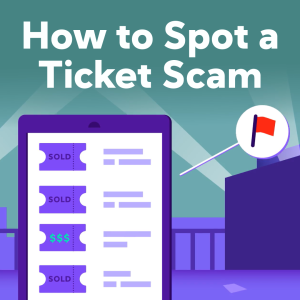
In some cases, a scammer may create counterfeit tickets, complete with forged barcodes and real company logos. At other times, a scammer might make copies of a legitimate ticket and sell it to multiple people. In either scenario, the ticket holder won’t know it’s a scam until their ticket is scanned at the gate and they are denied entry. Sometimes a seller will insist on upfront payment with a promise of putting tickets in the mail, but the tickets never arrive – and the seller disappears.

If tickets are being offered at a price that seems too good to be true, or if the seller is pressuring you to send money right away to seal the deal – those are warning signs of a potential scam.

How to Avoid Becoming a Victim of a Ticketing Scam

Buy only from trusted ticket vendors. When possible, purchase tickets directly from the venue. When buying online, purchase tickets from vendors you know and trust. Look for the lock symbol in the web address to indicate a secure purchasing system. You can verify their authenticity by looking them up on the Better Business Bureau or checking to see if they are a member of the National Association of Ticket Brokers.

Check the fine print. You should only purchase tickets from a seller that provides clear details about the terms of the transaction, including the location of the seats, how the tickets will be received, and what the refund policy is.

Use payment methods that come with protection. Be suspicious of sellers insisting on being paid through digital payment apps and keep in mind that certain payment types can’t be refunded (such as person-to-person payments). A credit card is usually the best payment method for event tickets because many credit card companies offer built-in buyer protection for cardholders. Always check the terms and conditions of your credit card to see what protections you have before purchasing.

Be wary of promotions. When you search the web for online tickets, advertisements for inexpensive tickets will often appear. Some of these ads will be ticket scams, especially if the prices are inexplicably low.

If you’re unsure, verify your tickets. Pay a visit to the venue where the event will be held. Present your ticket at Will Call or customer service, and have them verify if your ticket is legitimate.

When it comes to ticketing scams, remember to slow down and ask questions. If you detect suspicious activity, report the seller to your online marketplace or ticketing platform.

At First Financial, our goal is to help protect our members from scams and identity theft. If you have any concerns or questions about any of your First Financial accounts, please call member services at 732.312.1500 or visit one of our branches.

To learn more about scams and ways to protect yourself, visit zellepay.com/pay-it-safe.

Zelle and the Zelle related marks are wholly owned by Early Warning Services, LLC and are used herein under license. 


Fake Jobs, Phony Recruiters: Job Scams are on the Rise

Finding a new job can be a big undertaking. It’s hard to search through countless job descriptions and submit dozens of applications, so when a promising offer comes along – it’s easy to be excited.

But be careful. Fake postings and phony recruiters make up a growing number of scams, known as job or employment scams.

It can happen through email, social media, and on popular job sites. These scammers are generally after two things: your money and/or personal information. You can protect yourself by knowing what to look for.

Spotting a Job Scam

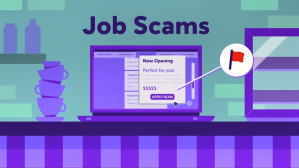
Fake jobs that appear too good to be true. In some cases, a scammer may post an opening appearing to be from a real company, promising a tempting salary and great benefits for little experience. Do an online search of the company, the hiring manager, or the recruiter to determine the legitimacy of the job.

Requests for money. If your potential employer asks you to send them money upfront for things like training or equipment, immediately withdraw your application. A legitimate employer will never ask you to pay for a job.

Recruiters asking for compensation. If you are approached by a recruiter asking for compensation in exchange for helping you find a job, there’s a strong chance the alleged recruiter is really a scammer.

Requests for personal information. Job applications tend to require information like your name, contact information, and work experience – but it shouldn’t go much deeper than that. Companies that require a background check will typically wait until much later in the interview process before asking for personal information like a Social Security Number. Similarly, never provide your banking information for setting up direct deposit until after you are hired. A legitimate company will not ask for those details on a job application.

Urgency to hire immediately. Beware of potential employers who show a sense of urgency to hire you immediately or within the same week of the application. They may want you to “seal the deal” by sending money or personal information. This urgency is to get you to act on emotion before you realize the company or job is fake. If the interview process does not include an in-person or on-camera interview, that should also be considered suspicious.

Key Takeaway

To protect yourself from a job scam – research the company and role, and reject any offer that asks for money or sensitive information upfront or promises great pay for little or no professional experience. When it comes to job scams, remember to slow down and ask questions.

At First Financial, our goal is to help protect our members from scams and identity theft. If you have any concerns or questions about any of your First Financial accounts, please call member services at 732.312.1500 or visit one of our branches.

To learn more about scams and ways to protect yourself, visit zellepay.com/pay-it-safe.


Zelle and the Zelle related marks are wholly owned by Early Warning Services, LLC and are used herein under license.


Beware of the Seemingly Perfect Rental: It Could Be a Scam

You finally found a rental property to call home. It’s the perfect location, the pictures look amazing, and the price is much lower than you were expecting to pay. All you need to do is send the landlord a deposit and the first month’s rent to seal the deal.

STOP! Before you do that, make sure you’re not sending money for a property that doesn’t exist. Rental scams are yet another opportunity for scammers to steal money. These scams target both new and existing renters, so it’s important to know what to look for.

Tips for Spotting a Rental Scam

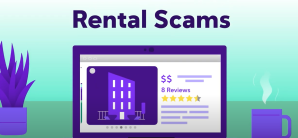
Pictures look too good. If a picture shows a beautifully renovated rental at a price that’s well below market rate, be cautious. Glamour photos can easily be found online. Reverse search an image by right clicking.

The listing has errors. Scammers are smart, but often don’t have very good grammar. Listings that have grammatical mistakes and other formatting errors could be signs of a scam.

Pressure to sign and pay right away. A legitimate landlord or rental agent will typically show you a space before renting it. If an agent is pressing you to sign a contract or pay a deposit without seeing the property first, this is a red flag. Especially if they insist you pay with a digital payment platform like Zelle® or Venmo.

There’s no credit check. Landlords and rental companies typically will conduct a credit check to determine if a renter is creditworthy. While some places don’t require a credit check, be careful. Ensure the agent is not taking advantage of your need for housing by offering a fictitious home with lenient eligibility requirements.

Ways to Avoid Rental Scams

 Always ask to tour the property. Don’t rent a place without seeing it. Schedule a time to tour the property to make sure it exists and looks like the advertisement.

Skip listings that look suspicious. Scroll past spam listings, and be skeptical of listings that are priced well below market value or contain grammatical and spelling errors.

Don’t send money in advance. You should never be charged a fee to tour a property, so turn away from any request for an upfront payment. Avoid sending any seemingly legitimate payment like a security deposit or first month’s rent without seeing the space and meeting the landlord or property manager. If the landlord comes up with a convincing story as to why they can’t meet – it’s best to wait until you can schedule a meeting, or search for another rental altogether.

Slow down and ask questions. Don’t allow yourself to be bullied or pressured. If you do, you could be playing right into the hands of a scammer. Take your time, see the property for yourself, and ask all the necessary questions to make sure this is the right space for you.

At First Financial, our goal is to help protect our members from scams and identity theft. If you have any concerns or questions about any of your First Financial accounts, please call member services at 732.312.1500 or visit one of our branches.

To learn more about scams and ways to protect yourself, visit zellepay.com/pay-it-safe.

Zelle and the Zelle related marks are wholly owned by Early Warning Services, LLC and are used herein under license.


How to Avoid Winter Utility Scams

In a recent blog, we shared ways to spend less money on winter utility bills. This week, we’re focusing on winter utility scams. Just this fall, PSE&G released an alert that scammers were impersonating their representatives, noting 1,000 of their customers in 2022 reported being a victim of a scam. That’s why it’s so important to be aware of the warning signs and develop strategies to avoid any future scams from happening to you.

What is a utility scam?

A utility scam is when someone pretends to be your utility company to take your money. It can look like a call from your gas, electric, or water company threatening to cut off your service if you don’t pay a bill immediately. It could be an individual impersonating a utility company employee at your door saying they need to repair equipment and that you have to pay on the spot. It could also be someone calling for your information to process a bill.

How to avoid a utility scam

Knowing the signs is the first step in avoiding a scam. If you ever feel uneasy about an email, phone call, or visit from your utility provider – trust your instincts. Chances are you’re getting contacted by a scammer. Here are signs of a winter utility scam to look out for.

  • Threats of disconnecting your service if a bill is not paid for within the hour
  • Requests of an immediate payment through a payment app, gift card, or even Bitcoin
  • Requests for personal or card information
  • In person demands for payments and high pressure door-to-door sales
  • Offers of products or services with drastic, too good to be true savings

Do your research! If you see an offer from a utility company, search them online with words like “scam” or “reviews.” It’s also recommended that you get any offers or savings in writing before accepting or signing a contract.

What to do if you encounter a scam

If you’re contacted by a fake utility company (or suspect you were), contact your current service provider, report it to the Federal Trade Commission (FTC), and contact your state attorney general. It’s also recommended that you let others know about the scam so they can avoid it too. If you’ve already paid a scammer or gave them your personal information, contact your bank immediately. The FTC also has a handy guide for victims of a scam with advice and resources.

You can count on First Financial to go above and beyond to help you avoid fraud and protect your finances. If you ever see something suspicious, you can always contact one of our financial experts to help you determine if the offer, website, or service is legitimate. Contact our member services department at 732-312-1500 or visit one of our branches.

Get scam savvy and look out for fraud trends by subscribing to First Financial’s monthly newsletter.